
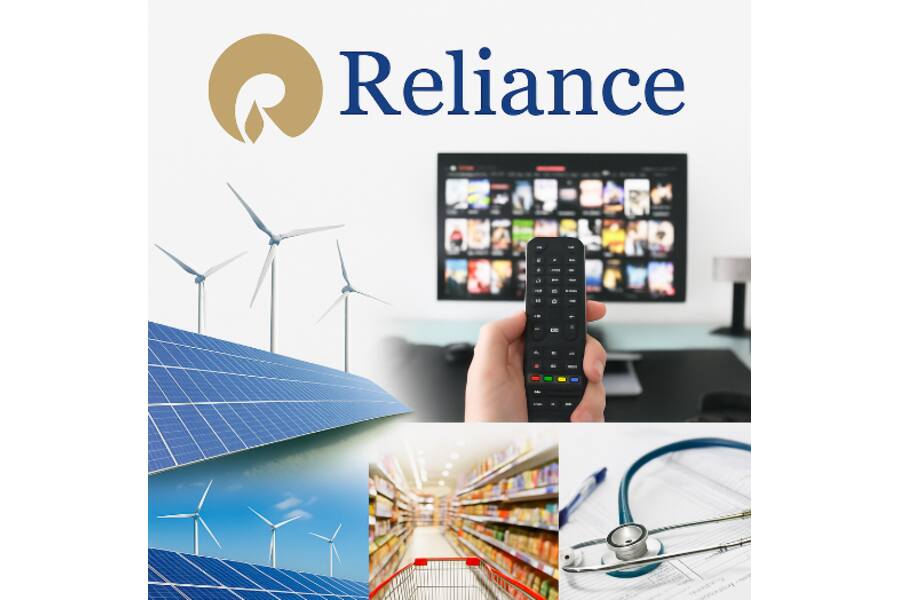
Reliance Industries Limited (RIL), under Mukesh Ambani, has pivoted aggressively from oil to tech, telecom, energy, retail, media, healthcare, and consumer goods. Over the past five years, RIL has spent approximately US $13 billion on acquisitions across 14% new energy, 48% TMT, 9% retail, plus a growing emphasis on healthcare.
Key 2023–2025 Deals:
- $8.5 bn merger: Disney Star and Viacom18 assets, creating a massive entertainment conglomerate including JioCinema, Hotstar, and Star TV, reaching over 300k hours of content after full integration into “JioHotstar”.
- ₹16.3 bn (~US $192 m) in December 2024: 74% stake in Navi Mumbai Industrial Area, boosting RIL’s logistics & warehousing footprint.
- 21% stake by Reliance US in Wavetech Helium, US $12 m for strategic presence in critical-energy helium.
- ₹375 cr acquisition of Karkinos Healthcare, expanding digital diagnostics and oncology services.
- November 2024: 51% stake in Mothercare JV from UK, £16 m to grow in South Asian retail.
- June 2025: Strategic JV with Adani for fuel distribution; earlier acquisition of 26% in Mahan Energy stake.
- Mid-2025: Moves to acquire Whirlpool India via Reliance Retail with Havells, as part of FMCG consolidation.
Why Reliance Believes These Are Profitable Investments
1. Leverage Core Strengths – Scale, Distribution, Capital
- Media & digital: Securing full control of JioHotstar positions Reliance to monetize advertising, sports streaming (e.g. IPL), subscription packages, competing directly with Netflix, Amazon, Disney.
- Retail/FMCG: Acquiring heritage brands like Campa Cola, Velvette, and targeting Whirlpool gives immediate market presence, aided by Reliance’s 1 million+ outlets and deep rural penetration.
2. Vertical Integration & Synergies
- Energy & logistics: The Navi Mumbai industrial zone supports their Green Energy Giga Complex, aligning with RIL’s ambition for solar, batteries, hydrogen.
- Healthcare: By adding Karkinos, HAGI, Netmeds, RIL links diagnostics, distribution, and consumer interfaces, availing digital and physical integration benefits.
3. Macro Trends in India
- Rising disposable incomes, digital services usage, clean energy demand, and healthcare access define India’s growth narrative, areas where Reliance has gained immediate heft.
Risks & Counterarguments
• Regulatory & Antitrust Risks
The Disney–Viacom18 merger faced prolonged scrutiny; future consolidation in telecom, media, energy, or healthcare may trigger new antitrust resistance.
• Integration Overload
Executing convergence across disparate sectors (media, energy, healthcare, industrial zones) can strain managerial bandwidth and dilute core focus. M&A integration missteps are common globally.
• Valuation & Market Shocks
Paying ₹13 bn+ over 5 years hungry valuations; market volatility, rising interest rates, or economic slowdown could depress ROI. Healthcare and energy markets show demand elasticity.
• Competitive Response
Peers like Adani, Tatas, and foreign rivals (e.g. Amazon, Unilever, Nestle) are reacting aggressively, making space more contested. Upcoming Whirlpool India deal signals rivalry.
• Infrastructure Execution Risks
Green energy giga-investments require seamless scale‑up and manufacturing capability; any delays or cost overruns could stall projected returns
Historical Benchmarks
- Disney–Star acquisition (2019) cost $71 billion but underperformed in India until Reliance integration; now reshaped through merged JioStar. Illustrates that even iconic deals can struggle without local scale.
- Hathway & JustDial acquisitions (US $1.7 bn total) integrate well with Jio’s digital services, but media advertising and OTT are fiercely competitive.
- Reliance’s telecom entry (Jio, 2016) remains the largest market disruption in recent Indian history—showing ambition can yield first-mover payoff.
Industry & Competitive Overview
New Energy
- Integrated solar, battery, electrolyser gigafactory in Jamnagar (~₹75 k crore planned). Faces competition from Adani Green, Tata Power. Success hinges on cost competitiveness and execution
Media & Streaming
- JioHotstar now competes head-to-head with Netflix, Amazon Prime, SonyLIV. With sports rights and deep regional content, they have structural advantages—but global platforms bring deep pockets and premium content.
Retail/FMCG
- With FMCG arm (RCPL) now in the top 5, rivals like HUL, ITC, Nestle, Godrej are defending market share. Global brands (Whirlpool, Mothercare) acquisitions broaden appeal to mid‑upper consumers.
Healthcare & Diagnostics
- Fragmented Indian healthcare market offers scale-up, but includes regulatory challenges, price sensitivity, and local competition (Apollo, Fortis, Medanta).
Infrastructure & Logistic
- Acquisition of Navi Mumbai IIA integrates logistics into energy and manufacturing value-chain. Could raise competition from Adani Ports, Container Corp, local SEZs.
Are the Investments Misguided?
Generally, Reliance’s playbook is well-calibrated: acquire fast-growing targets, integrate via scale and cross‑selling, monetize assets across emerging sectors. Many deals fit into either digital economy, consumer reach, or green infrastructure.
However, exposure to regulations, global macro shocks, integration complexity, and intense competitive pressure mean that ROI is not guaranteed. Their historical success with telecom and TMT does not automatically replicate in healthcare or energy manufacturing, where execution complexity is higher.
Conclusion
Reliance’s M&A strategy from 2023 to 2025—spanning green energy, healthcare, media, retail—has been bold, capital-intensive, and well-aligned to India’s macro-trends. Their strengths—scale, brand, deep pockets, infrastructure—stack the odds in their favor.
That said, regulatory hurdles, execution risk, and intense competition remain formidable headwinds. If managed well, these bets could diversify RIL beyond petrochemicals into sustainable, recurring-growth domains. If mismanaged, they could morph into value traps.
The outlook: optimism with caution—Reliance has the tools and capital; the next 3–5 years will test whether they can replicate the telecom playbook across other verticals.