
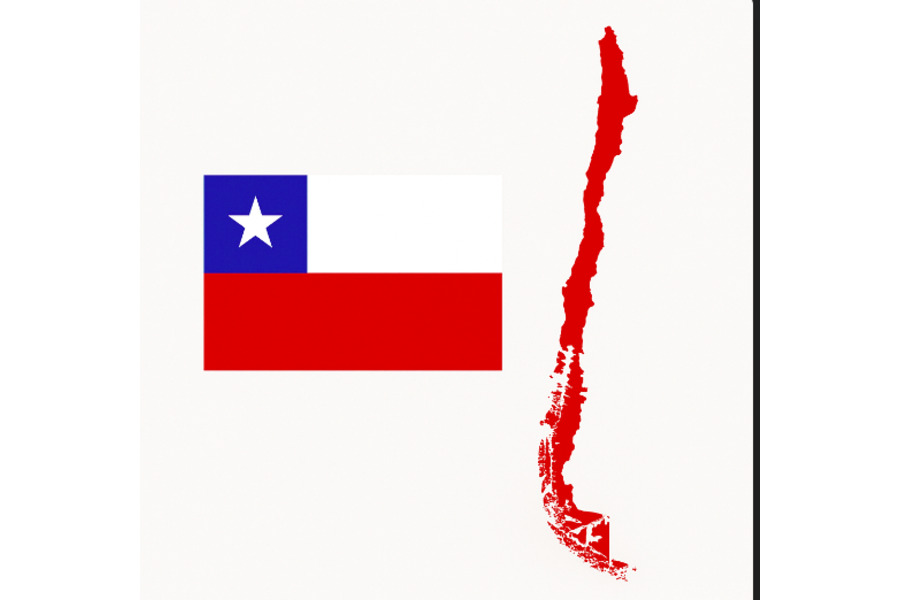
Chile is a high-income, open-market economy, leading South America in competitiveness and per-capita GDP. In 2024, GDP growth hovered around 2–3%, with unemployment near 7–8% (slightly elevated), reflecting global uncertainty and local structural transitions. Chile excels in mining (especially copper and lithium), agriculture (notably fruit and salmon), and forestry, all major export sectors. Finance and fintech are also emerging, underpinned by progressive open‑finance reforms since 2020.
M&A Regulatory Landscape
- Antitrust oversight: The Fiscalía Nacional Económica (FNE) enforces Decree Law 211; mandatory pre‑merger notification kicks in above CLF thresholds (~USD 12 M turnover per party or USD 80 M joint). In 2023, FNE processed 32 mergers (24 cleared cleanly, 7 with remedies, none blocked).
- Phased control & remedies: Multi‑phase review allows conditional approvals with structural remedies—for example, OnNet’s purchase of Entel’s fiber‑optics required assets divestment.
- Stricter penalties: Reforms introduced since 2023 include criminal penalties for cartels, hefty fines, and scrutiny over non‑compete clauses.
- Corporate governance & compliance: The Economic Crimes Law and new Data Protection Law (2023) impose environmental and data safeguards, aligning with GDPR, with fines up to USD 1.4 M.
- Foreign investment nurtured: There are no general restrictions on foreign acquisitions, but sector-specific rules apply (banks, insurers, media). The Decreto Ley 600 (since 1974) remains central in mining FDI.
Comparison: Chile’s regime mirrors OECD norms—mandatory notifications, phased scrutiny, structural remedies—but stands out with criminal antitrust enforcement and modern data/environmental laws.
Deal Trends & Drivers
- In 2023, there were approx. 50 M&A deals in industry-specific software and 48 in IT/internet-mostly tech scale-ups.
- The energy, mining, utilities sector led in deal volume.
- Start-ups drove 112 deals in 2024 totaling USD 1.1 B, reflecting a shift toward digital M&A.
- Drivers include:
- Digitalization and tech adoption by corporates.
- Mining & energy consolidation and greenfield expansion (e.g., lithium ventures).
- Foreign investors capitalizing on low-cost, high-yield sectors.
- Regulatory transparency, though compliance costs have risen.
Top M&A Deals in Chile
| Year | Deal | Value |
| 2018 | Joyvio acquires Australis Seafoods | USD 880 M |
| 2023 | Codelco‑SQM lithium JV approval | — (pending) |
| 2023 | La Polar acquires AD Retail | — |
| 2023 | MOL acquires Fairfield Chemical | — |
| 2023 | OnNet acquires Entel’s fiber‑optics | — |
| 2023 Mar | Ameco South America by StraCon/Fluor | — |
| 2023 Jun | Nova Austral bankruptcy (PE exit) | — |
| 2023 Jun | Hook Chile by Emergent Cold | — |
| 2023 Feb | Multifrigo by Emergent Cold | — |
| 2023 Jan | Finantech add-on to First Rate | — |
| 2023 Nov | DBNet by Estela | — |
| 2022 | Frankfurt USD acquisitions (numerous mid‑cap) | — |
| 2021 | Major copper asset swaps (BHP/Codelco/BHP) | — |
| 2020 | SAAM acquires Aerosan | — |
| 2020 | ADM‑Marfrig plant‑based JV | — |
| 2019 | Alleged big pharma consolidation | — |
| 2018 | KKR/Axel Springer buy Latin media | — |
| 2018 | Joyvio‑Australis Seafoods | USD 880 M |
(Note: Many Chilean deals are private; values often undisclosed.)
2024–2025 Highlights
- Codelco–SQM lithium JV: A landmark, strategic state‑backed deal aiming to double lithium output. Approved by multiple regulators; still pending Chinese and nuclear authorizations—expected to finalize H2 2025.
- Unifrutti acquisitions (Chile/Peru): Donning focus on agriculture, boosting avocado and blueberry supply amid supply-chain resilience strategy.
- Start-up tech M&A: 112 deals 2024, USD 1.1 B, many aimed at digitalization and expansion.
- Telecom consolidation: Continued fiber-optic deals with structural remedies under FNE supervision.
Successes & Challenges
Successes
- Codelco–SQM JV: National strategic win, securing lithium leadership; potential long-term export/revenue upside.
- Unifrutti in LatAm: Strategic agriculture scale and diversification—timely given global food security trends.
- Tech-driven M&A: High frequency of software and fintech acquisitions shows corporate strategy pivot; adds innovation.
- Compliance-backed clearances: FNE’s agile remedy use (e.g., OnNet/Entel) helped close complex deals without delays.
Challenges
- Regulatory complexity: Multi-phase reviews and strict compliance raise timelines and deal costs.
- Political strain: Legal investigations and allegations of corruption (2024 lawyer scandal) can erode foreign investor confidence.
- Bankruptcy deals: Nova Austral collapse suggests spotty execution in aquaculture, reflecting volatile sector conditions.
Strategic Insights
- State investment in lithium reflects Brazil’s and Chile’s geo-economic play in EV minerals.
- Foreign players (Abu Dhabi, private equity) continue sector-by-sector strategic entries in agriculture, mining and telecoms.
- Corporates buying start-ups is part of a wider digital transformation and competitive readiness
- FNE’s robust antitrust enforcement incentivizes compliance and deal structuring aligned with global norms.
Outlook
Chile’s M&A pipeline remains energetic, dominated by lithium and tech. Antitrust and environmental regulation, though stricter, promote responsible investment. As political stability returns, legal clarity improves, and global demand for critical minerals rises, expect continued large-scale cross-border M&A and tech-driven consolidation.
Conclusion
Chile offers a mature, transparent regime for M&A. While compliance burdens are rising, the strategic rewards—particularly in mining, tech, and digitization—are significant. With its balance of pro-investment policy and rigorous regulatory oversight, Chile will likely remain a hotspot for both foreign and local M&A activity in the coming years.