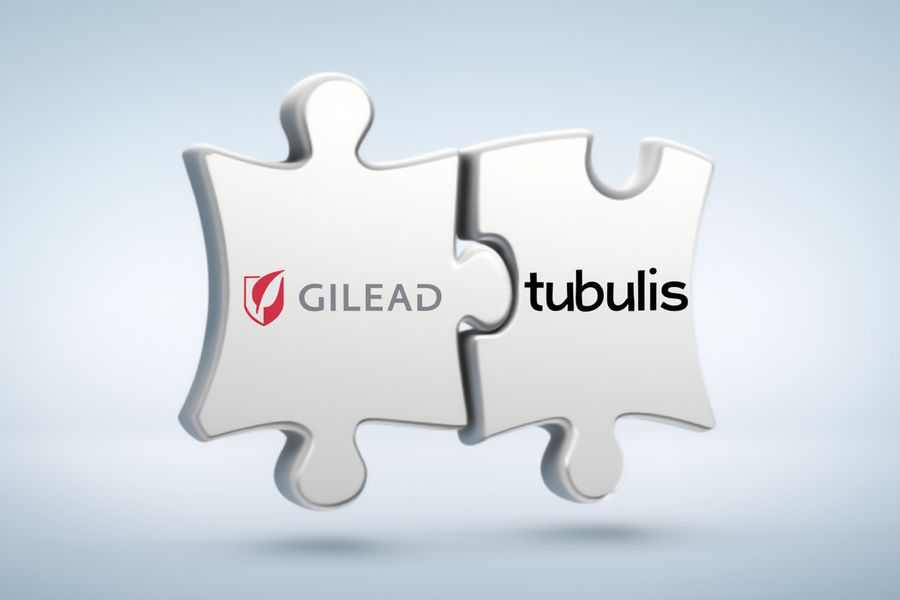
The 2026 acquisition of Gilead Sciences by Tubulis marks a decisive strategic move in the increasingly competitive oncology landscape, particularly in antibody-drug conjugates (ADCs). Valued at up to $5 billion, the transaction underscores both the maturation of ADC technology and Gilead’s intent to reposition itself as a leading oncology innovator.
Company Overview
Gilead Sciences is a global biopharmaceutical company headquartered in California, historically known for its leadership in antiviral therapies, including HIV and hepatitis treatments. Over the past decade, Gilead has accelerated its push into oncology, notably through acquisitions such as Immunomedics and a growing portfolio of cell therapies and targeted cancer drugs.
Tubulis, based in Munich, is a clinical-stage biotech specializing in next-generation ADCs—targeted cancer therapies designed to deliver cytotoxic payloads directly to tumor cells. Its proprietary technologies, including linker-payload systems, aim to improve precision and reduce toxicity compared to earlier ADC generations.
Its lead candidates include:
- TUB-040: a NaPi2b-targeting ADC in Phase 1b/2 trials for ovarian cancer and non-small cell lung cancer
- TUB-030: a 5T4-targeted ADC with early clinical activity across solid tumors
Transaction Structure
Gilead will acquire all outstanding equity of Tubulis for:
- $3.15 billion upfront cash
- Up to $1.85 billion in milestone payments
The deal is expected to close in Q2 2026, after which Tubulis will operate as a dedicated ADC research unit within Gilead, with its Munich site serving as a center of excellence.
Strategic Rationale
-
Deepening ADC Capabilities
The primary strategic driver is technological. ADCs are one of the fastest-growing modalities in oncology, combining biologics with cytotoxic drugs to enhance tumor targeting. Tubulis brings a next-generation ADC platform, including its Tubutecan linker-payload technology, which enables more selective delivery of chemotherapy agents.
For Gilead, this strengthens an already established ADC footprint (e.g., Trodelvy), expanding both pipeline breadth and platform depth.
-
Pipeline Expansion in High-Unmet-Need Indications
Tubulis’ assets target cancers with significant unmet medical need, particularly platinum-resistant ovarian cancer and NSCLC. These are large, competitive markets where incremental efficacy improvements can translate into substantial commercial value.
-
De-risked Acquisition via Prior Collaboration
The acquisition follows a two-year collaboration initiated in 2024, which allowed Gilead to evaluate Tubulis’ platform before committing to a full buyout. This “option-to-acquire” model reduces scientific and integration risk and is increasingly common in biotech M&A.
-
Strategic Diversification
Gilead faces long-term pressure from:
- Patent expirations in core antiviral franchises
- Declining COVID-19 revenues
Expanding into oncology—particularly high-growth segments like ADCs—provides revenue diversification and long-term growth optionality.
Implications for Gilead
- Enhanced Oncology Positioning
The deal reinforces Gilead’s ambition to become a top-tier oncology player, complementing recent acquisitions (e.g., Arcellx, Ouro Medicines). - Platform Synergies
Tubulis’ discovery and manufacturing capabilities can be integrated with Gilead’s global development and commercialization infrastructure, accelerating time-to-market. - Execution Risk
As with all clinical-stage biotech acquisitions, value realization depends on:- Clinical trial success
- Regulatory approvals
- Competitive differentiation
Implications for Tubulis
- Access to Scale and Capital
Integration into Gilead provides the financial and operational resources needed to advance clinical programs more rapidly and globally. - Validation of Technology
The acquisition validates Tubulis’ ADC platform as best-in-class or near best-in-class, enhancing its scientific credibility. - Loss of Independence
While Tubulis will remain a dedicated research unit, strategic direction will now be aligned with Gilead’s broader portfolio priorities.
Industry and Sector Impact
- Intensifying Competition in ADCs
The ADC market has become one of the most competitive segments in oncology, attracting significant investment from large pharma. This deal:
- Signals continued consolidation of innovative ADC platforms
- Raises the bar for next-generation precision and safety profiles
- Validation of Platform-Based Biotech Models
Tubulis exemplifies a broader trend: biotech companies built around platform technologies rather than single assets. Large pharma increasingly values these platforms for:
- Pipeline scalability
- Modular drug development
- M&A as a Core Innovation Strategy
Gilead’s rapid sequence of acquisitions in 2026 highlights a broader industry dynamic:
- Big pharma is relying on external innovation via M&A and partnerships
- Early collaborations are being used as structured due diligence pathways
Gilead’s acquisition of Tubulis is a strategically coherent move that aligns with macro trends in oncology innovation and biopharma M&A. By securing a next-generation ADC platform and clinical-stage assets, Gilead strengthens its competitive position in a high-growth therapeutic area while diversifying beyond its legacy franchises.
For the industry, the deal reinforces two key themes: the centrality of ADCs in future cancer therapy and the continued importance of M&A as a mechanism for accessing cutting-edge innovation.