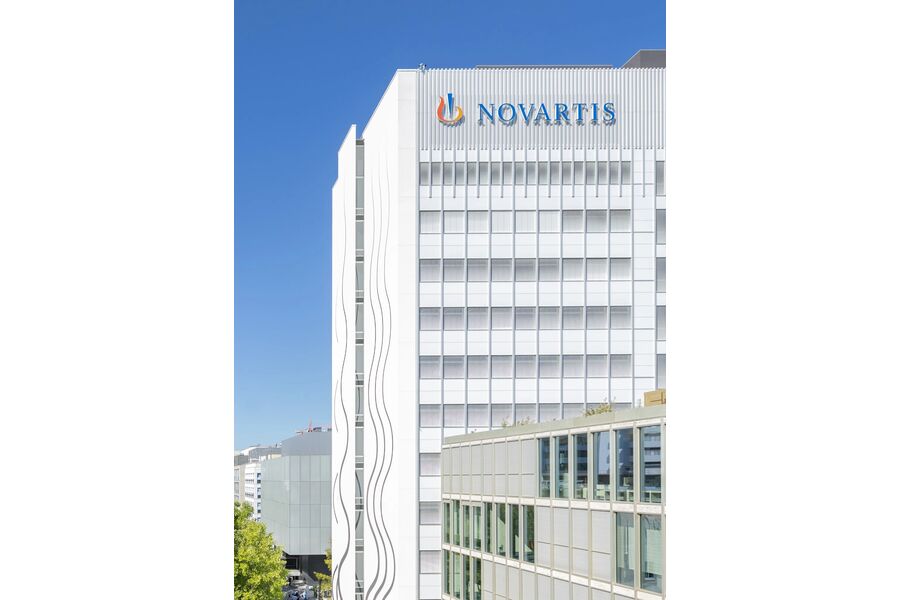
Novartis AG (Basel, Switzerland) is one of the world’s largest pharmaceuticals companies, focused on high-value innovative medicines across oncology, cardiovascular/renal/metabolic, neuroscience and immunology. By year-end 2023 Novartis reported roughly USD 49.9 billion in group third-party sales and employed 78,000 people. Total assets were roughly 100 billion USD on the company balance sheet at year-end 2023. In 2023 Novartis completed its transformation into a “pure-play” innovative medicines company (Sandoz was spun off), leaving the group with a focused portfolio of patented medicines, advanced platforms (radioligand therapy, gene and cell therapy, RNA technologies), and a pipeline heavily weighted to oncology, neuroscience, cardiovascular/renal and immunology.
Chronological M&A Activities
Origins and early consolidation (1996–2005)
- 1996: Novartis was created by the merger of Ciba-Geigy and Sandoz — a transformative combination that built a broad portfolio across pharma, generics, consumer and diagnostics.
- 2002–2005: Novartis pursued a sizeable conservative expansion into generics: Hexal (Germany) and Eon Labs (US) were acquired in 2005 to build Sandoz into a global generics leader (deal cluster valued in the single-digit billions of USD / EUR). These moves intentionally broadened revenue sources and created a leading generics platform.
Big strategic platform plays (2006–2010)
- 2006 (2005–2006 period): Novartis acquired vaccine and biologics assets when it moved to purchase Chiron (transaction around ~$5.1 billion) — an important capability play in biologics and vaccines.
- 2008–2010: A headline transaction — Novartis bought the majority of Alcon in a two-step deal from Nestlé (initial stake 2008 and completion in 2010). The total price paid for the major stake was $38.7–39 billion (Nestlé’s sale of 52% to Novartis recorded as $28.3bn in the second step). This acquisition added a large, higher-margin eye-care platform (surgical/vision care) to Novartis.
Mid-2010s focused portfolio reshaping and bolt-on science (2014–2018)
- 2014–2015: Novartis and GSK executed a complex three-part transaction; Novartis acquired GSK’s oncology portfolio (for ~$16 billion cash consideration plus contingent payments), while other parts of the transaction swapped or combined assets (this deal strengthened Novartis’ oncology pipeline and product base).
- 2016–2018: Novartis selectively bought biotechnology targets and options to expand its R&D platforms (e.g., Selexys (sickle cell) later exercised option up to $665M; Encore Vision (ophthalmology, 2016) — smaller bolt-ons).
- 2018: A major technology-platform acquisition — AveXis (gene-therapy play in SMA) for USD 8.7 billion. That purchase signalled a strategic bet on one-time gene replacement therapies and neuroscience.
Transition to a pure-play medicines company (2019–2023)
- 2019: Novartis spun off (distributed) Alcon shares to shareholders (Alcon listing April 2019) — a major portfolio simplification.
- 2019–2023: Novartis focused on consolidating a high-value R&D portfolio, completed bolt-on acquisitions in oncology and other specialty areas, and in 2023 completed the spin-off of Sandoz (the generics business) to become a pure innovative-medicines company. That spin-off materially changed employee counts and the group’s revenue mix.
List of notable Novartis M&A deals
Values are the headline cash / aggregate consideration where disclosed in official press releases, financial filings or reputable news outlets. Sources for major items are included inline after related items.
- 1996 — Formation of Novartis — merger of Ciba-Geigy and Sandoz (foundational corporate combination). (Corporate formation, not a purchase price list item).
- 2005 — Hexal (Germany) & Eon Labs (US) — Sandoz generics expansion; combined announcements/press estimated value ~€5.6bn / ~USD 6–8bn regionally.
- 2005/2006 — Chiron Corporation — Novartis acquired minority then majority; ~USD 5.1bn (deal to buy Chiron shares).
- 2008–2010 — Alcon (stake acquisitions from Nestlé) — total for the 77% majority stake ~USD 38.7–39bn (Nestlé’s sale of 52% = USD 28.3bn in Aug 2010).
- 2010s (various) — Hexal/Eon integration related add-ons — multiple smaller acquisitions as Sandoz scale-up. (values integrated into Hexal/Eon disclosures).
- 2014–2015 — GSK oncology portfolio — Novartis acquired GSK’s oncology products for ~USD 16 billion aggregate cash consideration (plus up to ~$1.5bn contingent).
- 2016 — Selexys Pharmaceuticals — Novartis exercised option; deal up to USD 665 million (to acquire SelG1 antibody program).
- 2016 — Encore Vision (ophthalmology) — bolt-on (value undisclosed).
- 2016–2017 — Various small biotech buys (e.g., Ilypsa optioning, other bolt-ons) — many transactions undisclosed / program-priced (typical of Novartis’ series of targeted buys). (individual values often undisclosed).
- 2018 — AveXis (gene therapy) — USD 8.7 billion acquisition (transformational gene-therapy bet for SMA).
- 2019 — Alcon spin-off — Alcon listed 9 April 2019; Novartis distributed shares to shareholders (strategic divestiture rather than a purchase).
- 2020–2022 — Series of oncology & specialty biotech bolt-ons — multiple smaller purchases (values: many undisclosed or in the low-hundreds of millions). (examples include targeted platform buys and option exercises.)
- 2023 — Sale of certain eye-care products to Bausch + Lomb — portfolio sale ~USD 1.75 billion (announced 2023; assets included Xiidra and related items).
- 2023 — Sandoz spin-off completed (October 2023) — distribution of Sandoz Group shares to Novartis shareholders (major portfolio restructuring / deconsolidation).
- Matrix Pharmaceuticals, Lek (regional deals), Aspen Japan business purchase (various years) — many small/regionally strategic transactions (values vary / some undisclosed).
- 2016–2018 — Additional targeted expansions — e.g., SelG1/Selexys (listed), other small purchases adding IP for sickle cell, ophthalmology and neuroscience (values variable / many options).
- Numerous minority investments / licensing acquisitions — Novartis also uses upfront+milestone structures and licensing often reported as part of pipeline deals (values contingent). (Undisclosed up front in many cases.)
- 2014–2019 — Portfolio trades with GSK / Alcon / Nestlé — complex multi-party asset swaps and exits (these reshaped the asset base and balance sheet).
- 2016–2023 — Continued bolt-on buys in immunology, ophthalmology and gene/RNA fields — several program purchases and option exercises (values small–mid). (Undisclosed in many cases; see Novartis press releases.)
- 2018–2023 — Multiple R&D-heavy buyouts and partnership integrations — e.g., channelling assets from academia, private biotech and venture/PE-backed companies (values span from <$50M to several 100Ms). (transactional details appear in company press releases.)
Recent M&A activity — 2024 and 2025
- MorphoSys (Feb 5, 2024) — Novartis entered an agreement to acquire MorphoSys AG for EUR 68 per share, aggregate ~EUR 2.7 billion in cash. The deal was positioned to strengthen Novartis’ oncology pipeline (adds pelabresib and other programs).
- Mariana Oncology (May 2, 2024) — Novartis agreed to acquire Mariana Oncology (preclinical radioligand therapy company) — value not publicly disclosed in the announcement (a science-centric bolt-on to expand RLT capabilities).
- Anthos Therapeutics (2025 Feb, closed/announced in 2025) — Novartis agreed to acquire Anthos (a Blackstone Life Sciences-backed company) for up to $3.1 billion (approx. $925M upfront plus milestones), to bring abelacimab (factor XI inhibitor) fully in-house to strengthen cardio-vascular / anti-thrombotic portfolio.
- Avidity Biosciences (announced Oct 2025) — major RNA therapeutics acquisition (around $12 billion reported).
Divestitures, spin-offs and notable exits
Novartis’ M&A story is as much about what it sold as what it bought. Key divestitures and strategic portfolio returns:
- Alcon spin-off (2019): Novartis distributed Alcon shares to its shareholders and Alcon was listed independently (April 2019). That returned a capital-intensive, but lower-R&D, higher-margin surgical/consumer vision business back to investors as a separate company, allowing Novartis to sharpen focus on medicines.
- Sandoz spin-off (2023): the generics and biosimilars business (Sandoz) was spun-off / listed in October 2023 — a major structural change removing lower-margin generics from the Novartis consolidated group and enabling management to concentrate investment on innovative medicines. The spin-off materially reduced headcount and changed reported sales composition.
- Sale of selected eye-care products to Bausch + Lomb (2023): a ~USD 1.75bn sale of a portfolio including Xiidra and related assets — a focused divestment to tidy Novartis’ ophthalmology product set and capture attractive value from a buyer focused on eye care.
What worked — successes and why
Building targeted capabilities with platform buys
- AveXis (USD 8.7bn): Bought a first-in-class gene-therapy asset (Zolgensma program / AVXS-101) — this secured Novartis an entry into high-value one-time gene therapies. Strategic rationale: rapid access to platform + lead asset rather than building in-house from scratch. While execution requires complex manufacturing and pricing/regulatory work, the acquisition brought a differentiated product and pipeline.
Scale and margin diversification via Alcon (then spin-off)
- The Alcon purchase gave Novartis a large, higher-margin eye-care and surgical business (and substantial value capture when Alcon was spun off). The later spin-off (2019) returned significant value to shareholders and simplified Novartis’ strategic focus — an example of buy-build then separate when strategic objectives change.
Smart bolt-ons and option-based purchases
- Novartis often acquires options/rights or small biotech teams and exercises options after de-risking data — that approach keeps upfront cash manageable while allowing participation in high-upside science (e.g., Selexys up to $665M after positive data). This staged risk allocation reduces the cost of failure.
Portfolio streamlining (Sandoz spin-off)
- Spinning off Sandoz (2023) and other asset sales clarified capital allocation: R&D spend and management attention could be reallocated to innovative platform areas that (in the board’s view) deliver higher returns on invested capital.
What didn’t go as planned
Alcon integration complexity & later separation
- The Alcon acquisition did add a significant non-pharma business and management complexity. Over time Novartis concluded the best path for shareholder value was separation — which was achieved but demonstrates that large diversified acquisitions can create strategic mismatches that later require undoing.
Manufacturing/regulatory risk (vaccines/Chiron transaction)
- The Chiron purchase brought vaccine manufacturing capabilities — but Chiron had experienced manufacturing issues and the integration carried regulatory and remediation costs. Such operational risk can be underestimated in technology/platform acquisitions of manufacturing-intensive businesses.
High-priced platform purchases carry execution & durability risk
- Large platform buys (e.g., AveXis) require exceptionally strong post-acquisition execution (manufacturing, market access, pricing). Paying high premiums for late-stage assets concentrates execution risk: if reimbursement or manufacturing problems emerge, the acquirer bears the full burden. AveXis delivered a transformative product but also forced Novartis to manage complex pricing and regulatory relationships globally.
Many small bolt-ons = integration overhead
- Frequent small acquisitions and licensing deals create integration overhead, multiple vendor/partner relationships and potentially duplication unless tightly coordinated with the R&D and commercial roadmap.
Strategic reasoning behind Novartis’ M&A posture
- Platform + pipeline: Novartis has shifted toward acquiring platforms (gene therapy, radioligand therapy, RNA delivery) and late-stage assets that can quickly add to near-term commercial revenue or create multi-asset franchises. That reduces long tail of discovery risk and targets blockbuster potential. (See AveXis, MorphoSys, Mariana Oncology, Anthos, Avidity).
- Staged investments & options: Novartis uses staged structures (upfront + milestones) allowing scientific de-risking. This was evident in Selexys and many biotech option structures.
- Portfolio simplification for focus and capital allocation: The Alcon and Sandoz separations show a deliberate shift to concentrate capital and management bandwidth on innovative medicines where margins and returns on R&D can be higher than traditional generics or devices.
- Tactical divestments for non-core assets: Selling eye-care product lines to Bausch + Lomb and other carve-outs indicates a willingness to monetize peripheral assets and recycle capital into core therapeutic areas.
Sources & where to read more
- Novartis Integrated Report and Annual Report 2023 (company filings; employee count, sales and narrative about Sandoz spin-off and strategy).
- Novartis press releases for AveXis (2018 USD 8.7bn) and GSK oncology (2015 USD 16bn) transactions and many smaller bolt-ons.
- Nestlé press release & media coverage for Alcon sale to Novartis (Aug 26, 2010 — Nestlé sale of ~52% for USD 28.3bn; full two-step stake ~USD 38.7–39bn).