
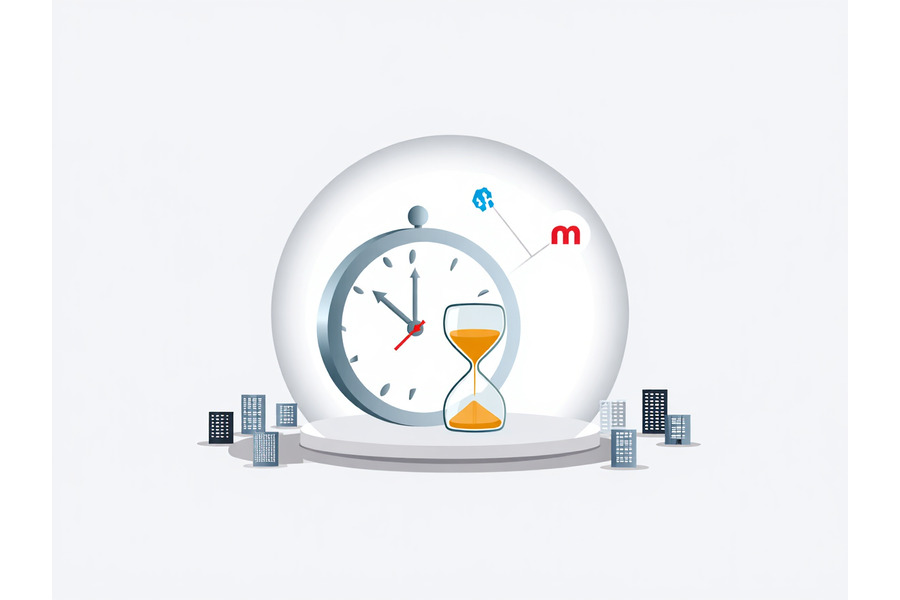
In the context of Mergers and Acquisitions (M&A), an exclusivity period is a defined window of time during which the seller (the “target”) agrees not to solicit, negotiate, or entertain offers from any other potential buyers. In simple terms, the target company temporarily “locks in” one bidder, giving that bidder a protected opportunity to complete negotiations without worrying about competing offers.
Why Exclusivity Matters in M&A
Exclusivity periods are typically negotiated after a buyer submits a strong indication of interest—often following initial due diligence and a preliminary letter of intent (LOI). At this stage, the buyer wants assurance that investing additional time, legal work, and financial resources will not be wasted if the seller suddenly shifts attention to another bidder.
For the seller, granting exclusivity is a strategic choice. It signals that the chosen buyer is serious, provides attractive terms, or is most likely to close the deal efficiently.
How Exclusivity Supports Final Negotiations
The main purpose of an exclusivity period is to allow focused, productive negotiations. Completing an M&A transaction requires deep due diligence, legal drafting, financial analysis, and coordination with multiple advisors. This process can be expensive and time-consuming. Exclusivity gives the buyer confidence to proceed without competitive pressure and helps avoid bidding wars that could slow or complicate the deal.
Typical Length and Key Components
Exclusivity periods commonly range from 30 to 90 days, depending on the complexity of the transaction and how much due diligence remains. These periods often include specific protections for the buyer, such as:
-
No-shop clauses preventing the seller from seeking alternative offers
-
No-talk clauses restricting discussions with other interested parties
-
Notice requirements telling the buyer if new proposals emerge
-
Break fees that may apply if the seller breaches exclusivity
These elements ensure the buyer receives the time and security needed to complete their analysis and negotiate final terms.
Limitations and Risks
It is important to remember that exclusivity does not guarantee a final deal. The buyer may still walk away if due diligence uncovers issues, financing changes, or negotiations break down. For the seller, exclusivity carries the risk of missing out on potentially better offers during the protected period.
The exclusivity period is a vital feature of many M&A transactions. It creates a temporary one-on-one negotiation environment, giving both parties clarity and commitment as they work toward a final agreement. For students studying M&A, keep in mind that exclusivity is designed to protect the negotiation process and promote an efficient path to closing, but it does not eliminate all deal risks.